
The Art of Slow Travel: Finding Serenity in Outdoor Expeditions

In a world that constantly demands speed, productivity, and instant gratification, slow travel emerges as a quiet rebellion—a mindful approach to experiencing the world one step, one breath, and one moment at a time. It invites us to shift from rushing through destinations to truly immersing ourselves in them, where every path taken and every breeze felt becomes part of a larger, more soulful narrative.
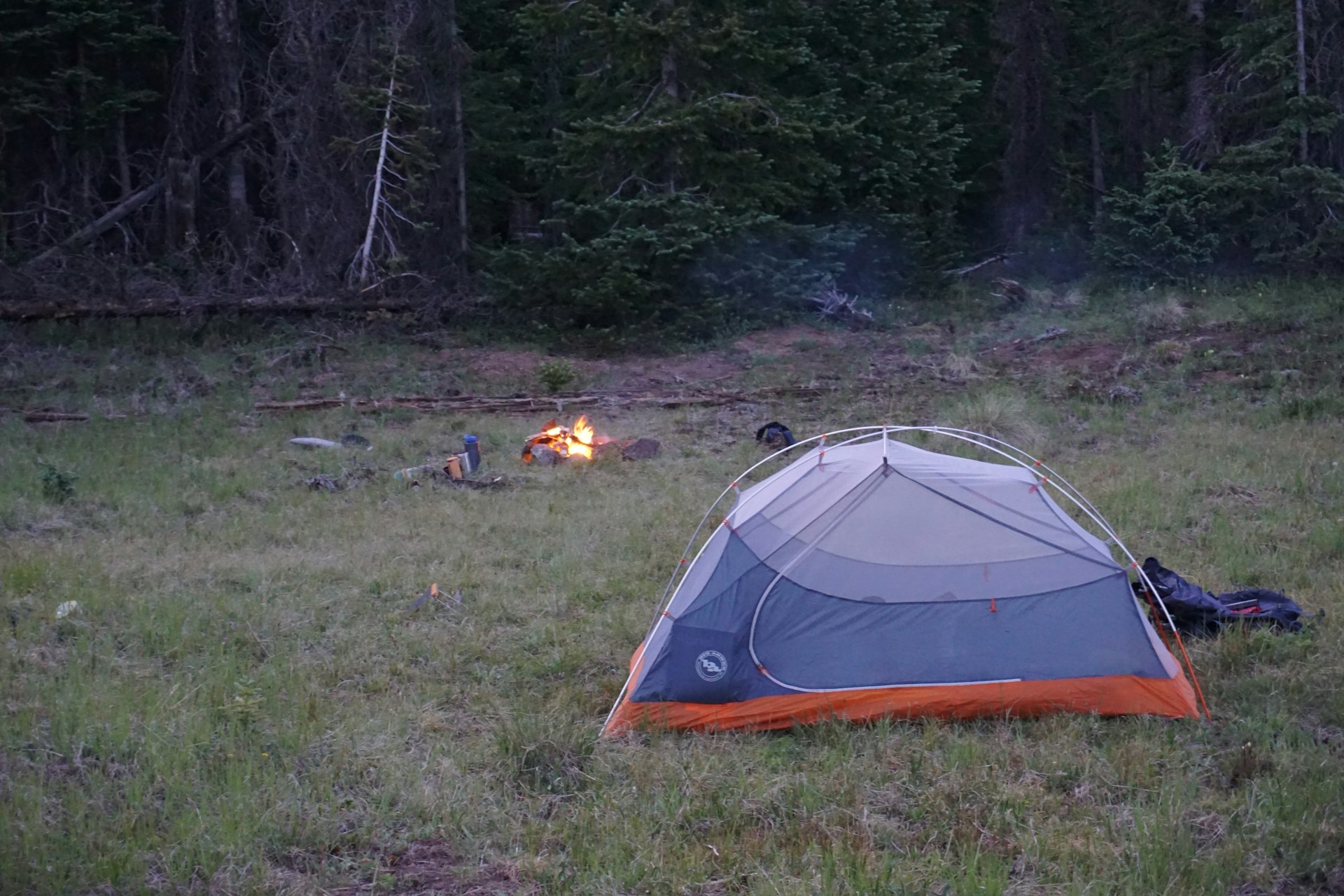
Outdoor expeditions are perhaps the most beautiful canvas for practicing slow travel. Whether it’s the rhythmic crunch of hiking boots on a forest trail, the soothing cast of a fishing line over still waters, or the unhurried setup of a tent beneath a sky slowly fading to dusk, each activity offers a chance to connect deeply—with nature, with companions, and with ourselves. The wild landscapes are not just backdrops for adventure; they become companions in our journey, gently reminding us of the value of patience and the richness that lies in the details.
To travel slowly is to notice more. It’s in the sound of wind threading through pine trees, the call of distant birds echoing across a valley, the warmth of sunlight on your face during a mid-day rest. It’s the quiet conversations around a campfire and the shared silence while watching the stars stretch endlessly overhead. These are the moments that refuse to be rushed, that reward us for our stillness, our attention, and our intention.
There is serenity in letting go of strict itineraries and embracing the unknown. Slow travel allows room for spontaneity—a hidden waterfall discovered while wandering off trail, a local’s story shared over a cup of tea, an unexpected sense of awe while standing at the edge of a vast canyon. These experiences are not listed on maps or travel guides; they are found in the in-between, in the pauses, in the space created by traveling gently.
In this slower pace, even the gear we bring along plays a role. Reliable camping gear, versatile accessories, and thoughtful tech not only support the journey—they make it more enjoyable, allowing us to be present and comfortable in our surroundings. But more than tools, they become part of our story: the tent that shielded us from a sudden mountain storm, the backpack that carried everything we needed for days of wandering, the compass that pointed us home.
Ultimately, the art of slow travel is less about the destination and more about the transformation. It’s about how the trail humbles us, how the silence heals us, and how the natural world teaches us to listen and to see. In outdoor expeditions, we’re reminded that serenity isn’t something we chase—it’s something we find when we finally slow down enough to let it catch up to us.